
32nd International Input-Output Association Conference
14th Edition of the International School of I-O Analysis
11th Jornadas de Análisis Input Output
22nd - 26th June 2026, Seville, Spain
|
|
 |

Post conference travel suggestions
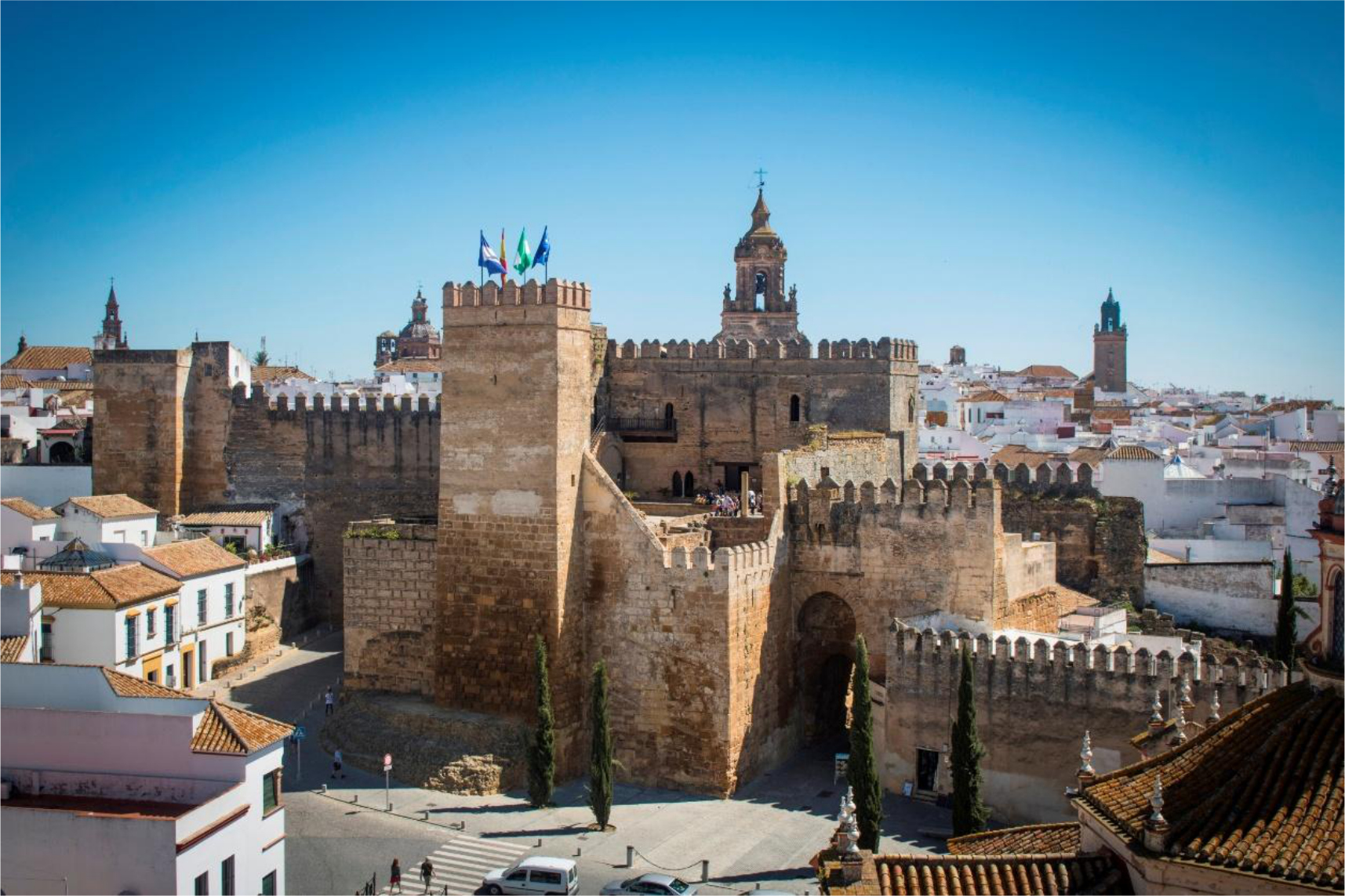
Visit to Carmona. It is a historic village just to 30 Km from Seville. From the imposing Puerta de Sevilla and the Alcázar del Rey Don Pedro to the serene whitewashed streets and Roman necropolis, the town blends Andalusian charm with deep historical roots. A stroll through its plazas and palaces is perfect for a day trip.
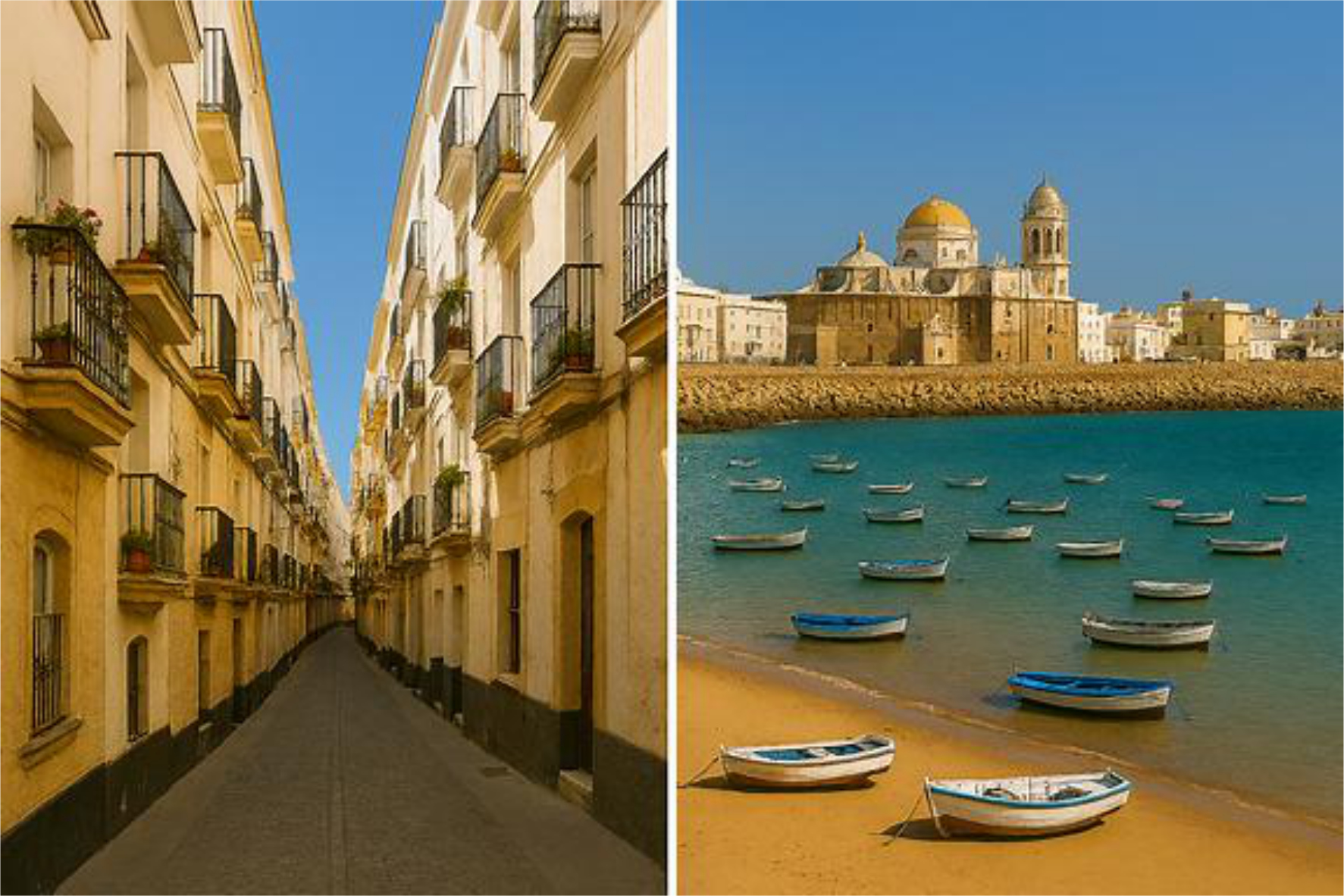
A visit to Cadiz. Cadiz is a beautiful old town founded over 3,000 years ago by the Phoenicians as Gadir. Nestled on a narrow peninsula surrounded by the Atlantic Ocean, Cádiz offers a unique blend of rich history, vibrant culture, and coastal beauty.
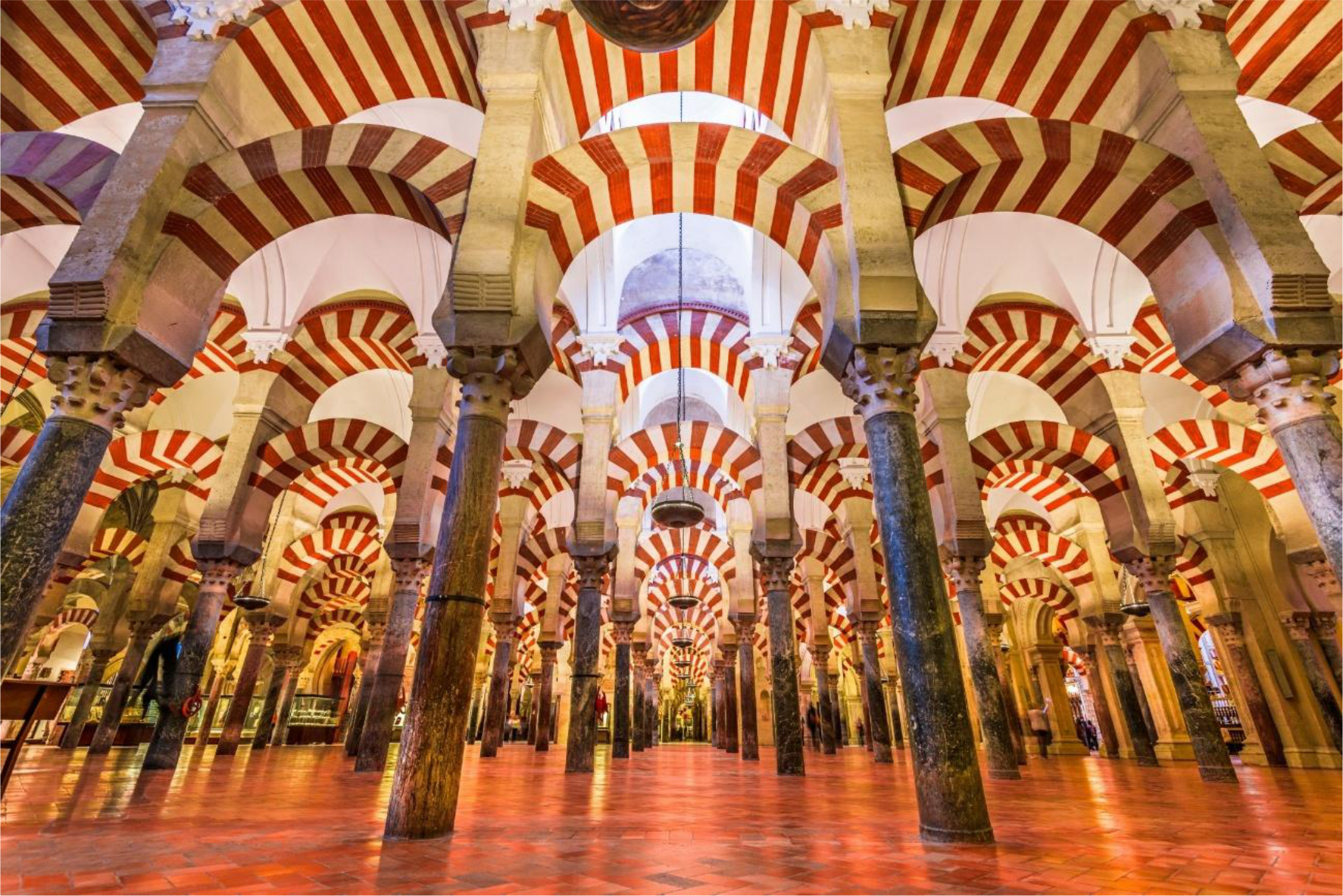
Visit to Cordoba. This city was the capital of of the Islamic Caliphate in Spain, Córdoba is a treasure of Moorish and Roman heritage. The well-known Mezquita-Catedral is breathtaking with a forest of red-and-white arches and a Renaissance nave inside. It is Surrounded by the Jewish Quarter with its whitewashed alleys, flower-filled patios, and the historic Synagogue of Córdoba, one of the few remaining in Spain.
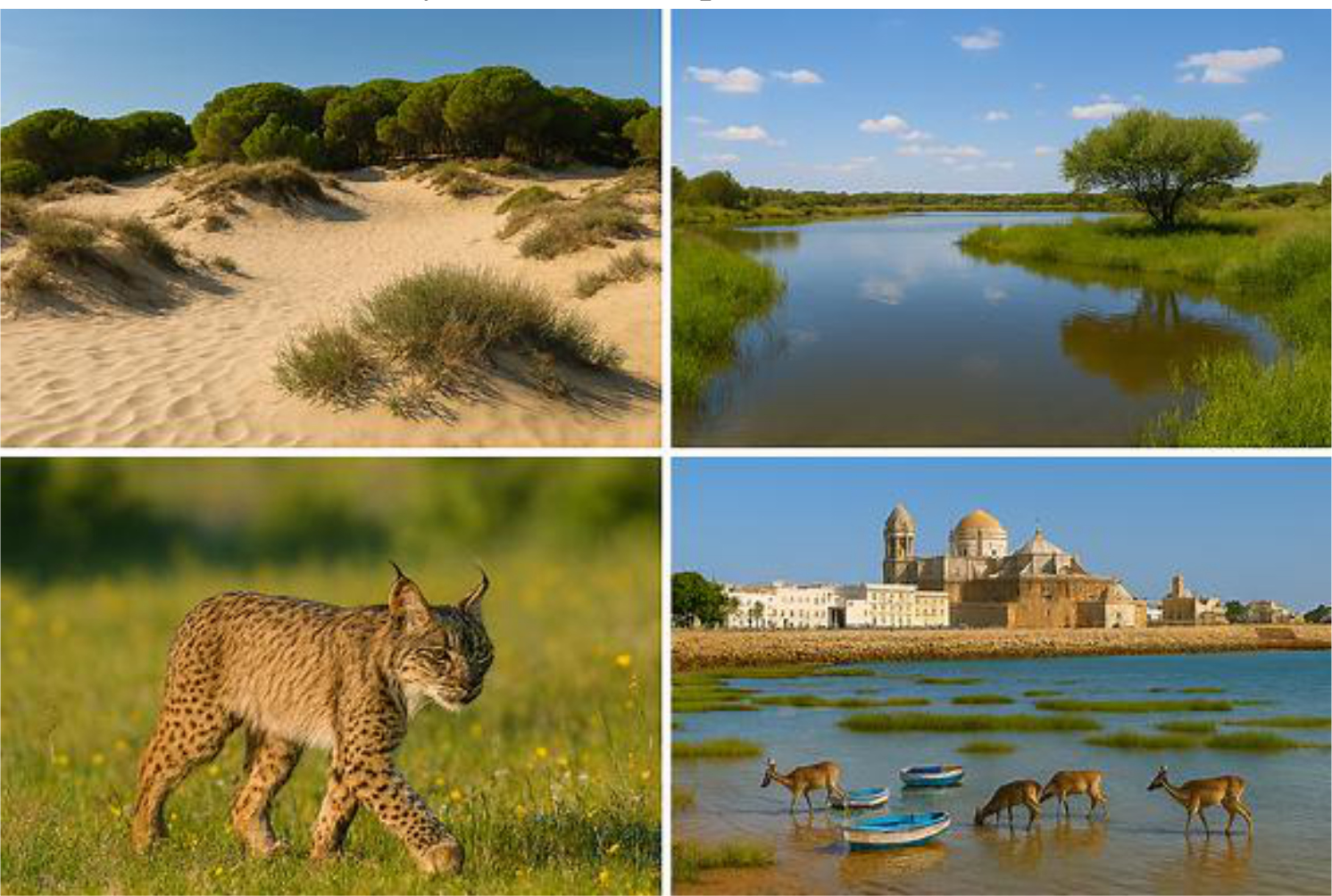
Parque Nacional de Doñana. This natural park is located 70km south of Seville and it is and UNESCO World Heritage with an extraordinary biodiversity. Visitors often begin their journey in El Rocío, a village with sandy streets and a famous pilgrimage site, home to the Hermitage of El Rocío. In the park of Doñana you can spot hundreds of bird species, deers, and the elusive Iberian lynx, one of the park’s most iconic inhabitants.
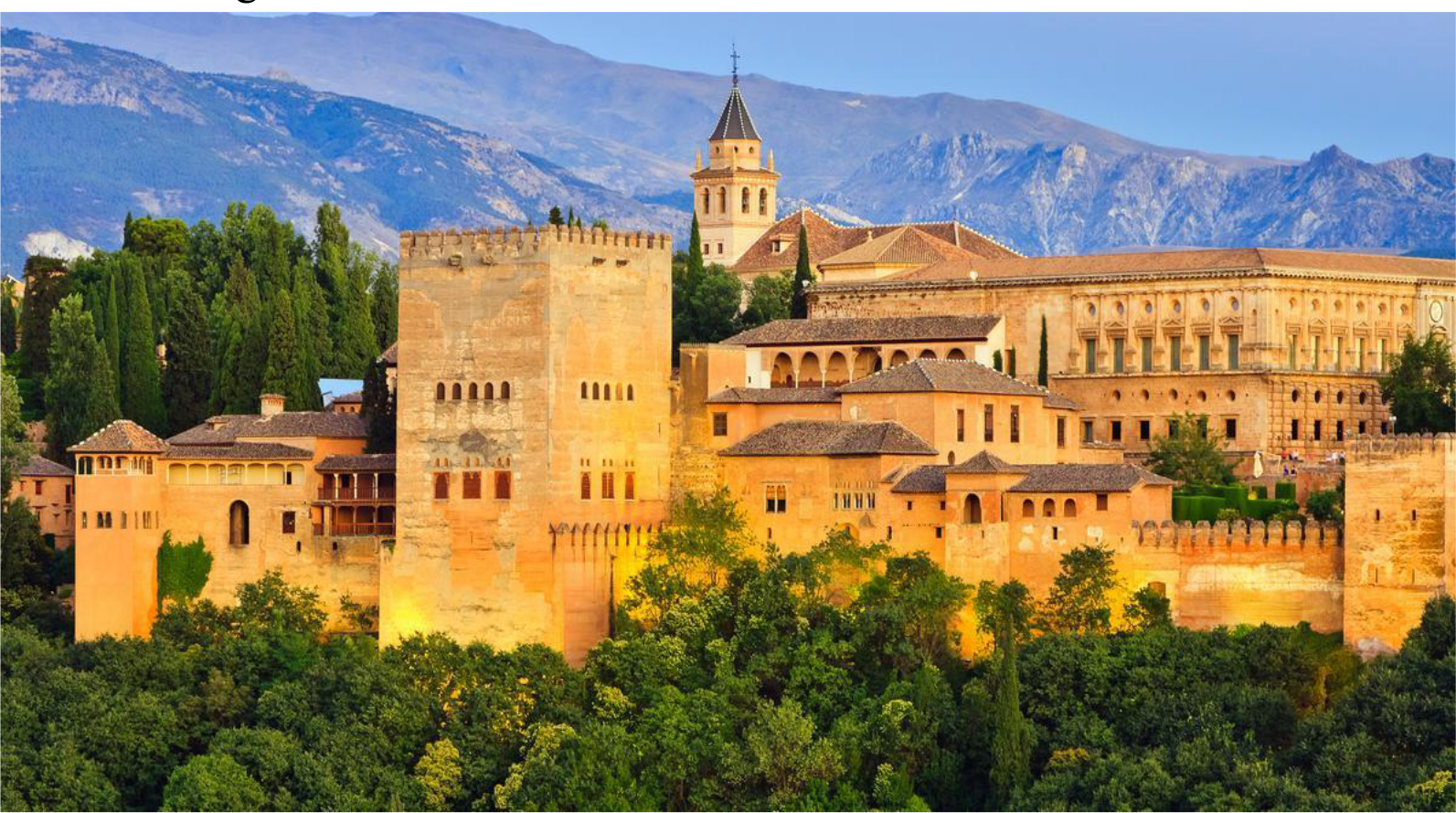
A visit to Granada. The city is known for the Alhambra, a breathtaking palace and fortress complex that shows the splendor of Islamic architecture and panoramic views of the Sierra Nevada. The Albaicín and the Sacromonte neighborhood are famous for its cave dwellings and flamenco shows. In the city center, the Granada Cathedral and the Royal Chapel, where the Catholic Monarchs are buried also reflect the its Renaissance and Gothic heritage.
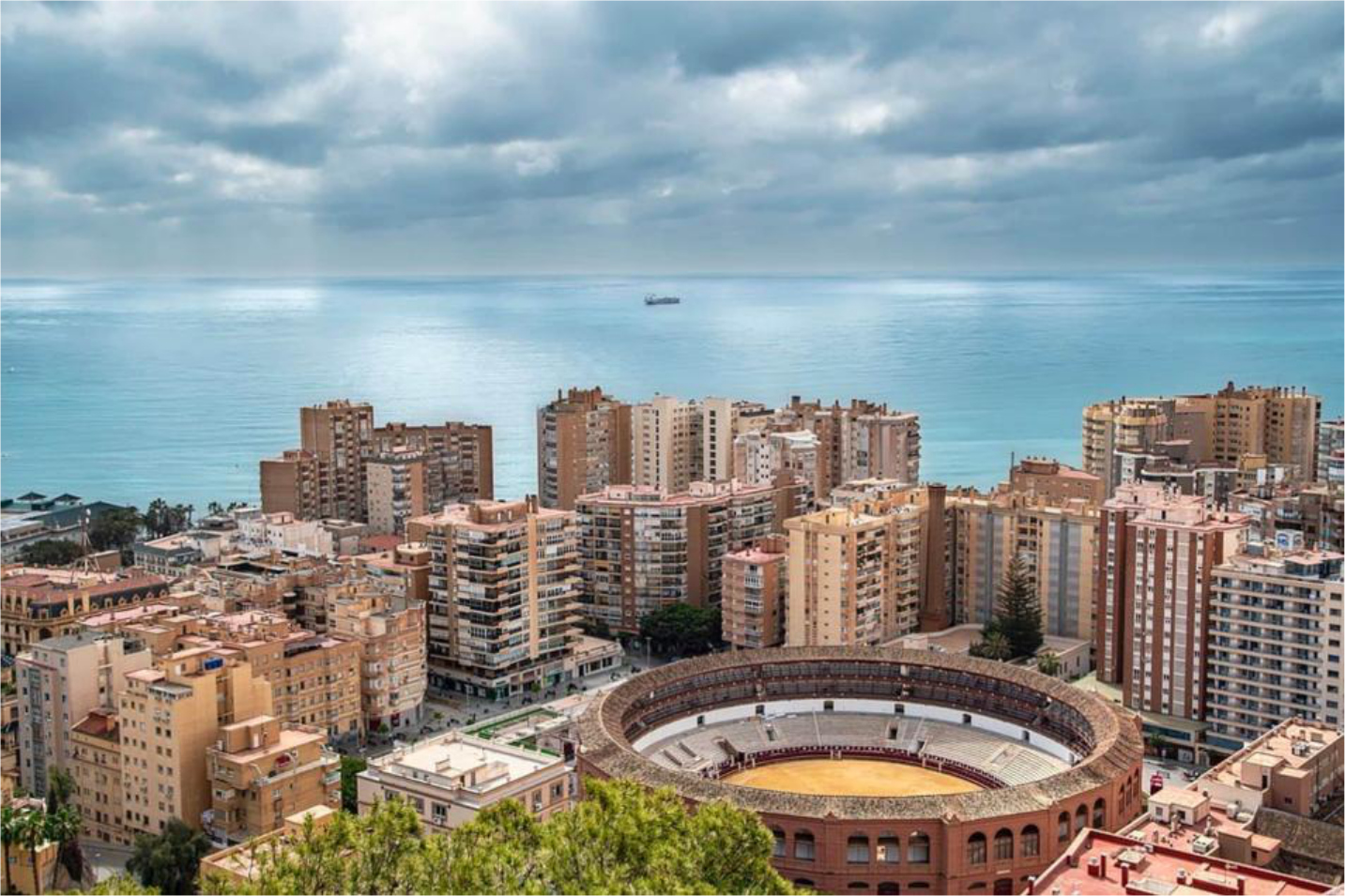
Málaga. It is a coastal city in the Mediterranean known as the birthplace of Pablo Picasso that has relevant art collections in the Picasso Museum and the contemporary Centre Pompidou Málaga. Its historic heart features the majestic Alcazaba fortress, the hilltop Gibralfaro Castle with sweeping views, and the elegant Málaga Cathedral with its unfinished tower. The city beaches, especially La Malagueta, and the lively waterfront promenade of Muelle Uno offer perfect spots for relaxation and dinning. Malaga has a rich mix of Moorish, Roman, and Christian influences.
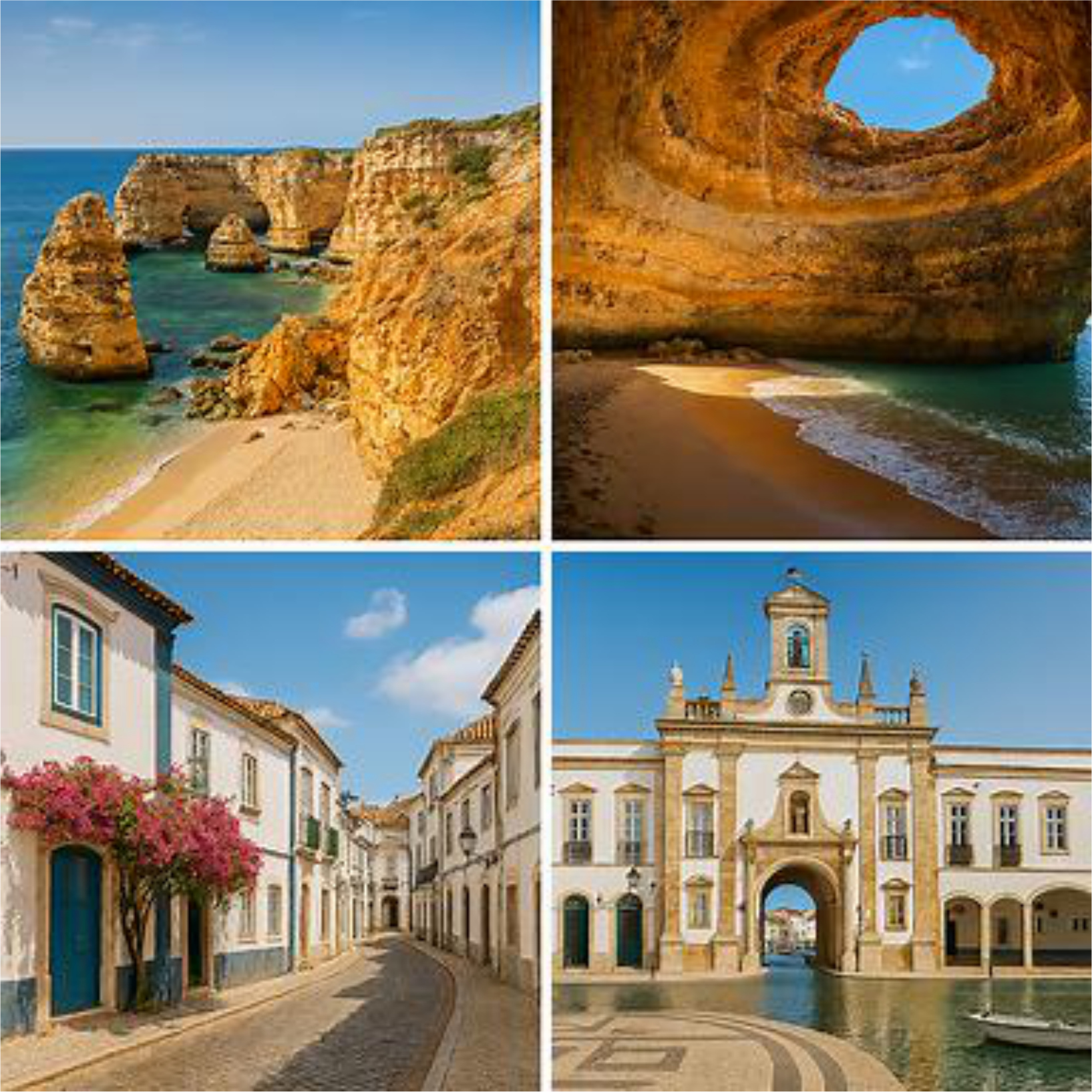
Algarve and Faro in Portugal. The Algarve region in the South of Portugal is famed for its impressive coastline, cliffs and beautiful beaches. Faro, the capital of Algarve, is city with a charming old town enclosed in medial walls with historic buildings and an impressive Cathedral. The Ria Formosa Natural Park is the home of a diverse wildlife and quiet lagoons.

|
|

|

|

|